


The owner of an RTX 5080 connects DLSS 5 to everything he can get his hands on from old games every day. He collected another set of screenshots in the first Dawn of Warreleased 22 years ago. The reaction was so polar that the discussion quickly turned to a dispute about what exactly the technology was doing with the original picture.
There were almost no questions regarding performance. Games of this age on the RTX 5080 and older produce 80-100 or more frames per second, even with a set of improvements enabled. The same player has already run Crysis 2 through DLSS 5 and posted videos with technology switching in the first seconds of recording.
The dispute was about the number of processing passes. The player claims that he used only one, but some commentators counted at least five due to the characteristic burnt-out image, noise and raised saturation.
One of the owners of the video card formulated the complaint more mildly than the others:
Look, I really love DLSS 5. But stop with the 3-5 pass implementation. Layering produces old HDR overexposure that looks bad. One or two are enough for publication.
The shift in shadows was also noted. In the frames they stand in different positions than in the original, although usually DLSS 5 does not change the lighting geometry this way. Another observation concerns the source code – the technology gives a noticeable result only where there is already decent light in the base game.
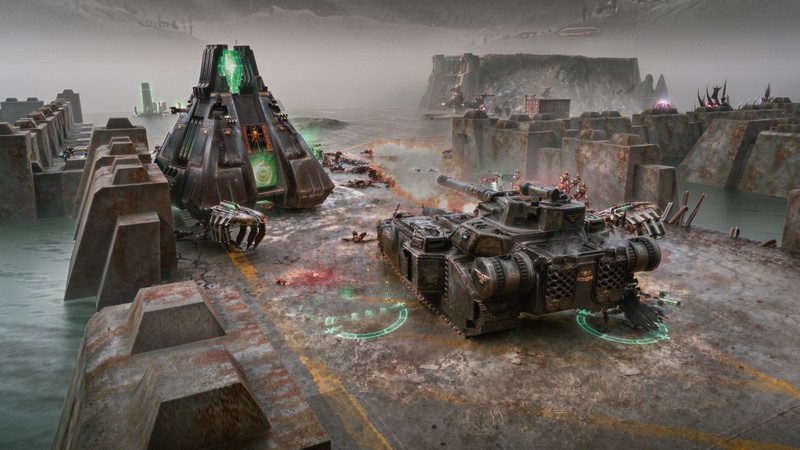
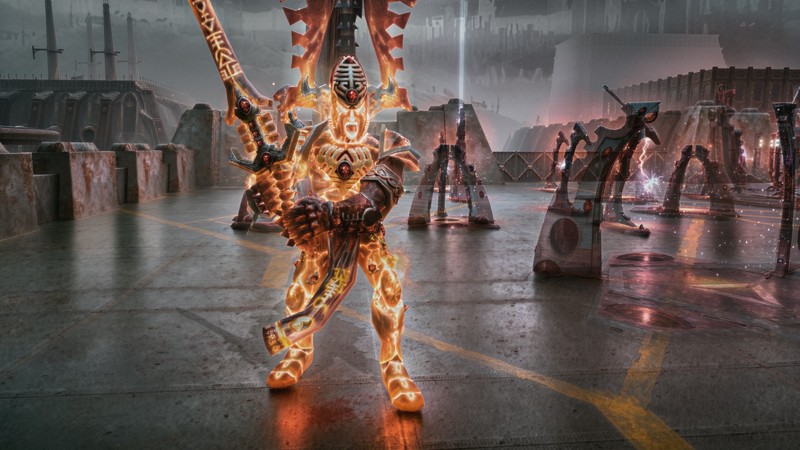
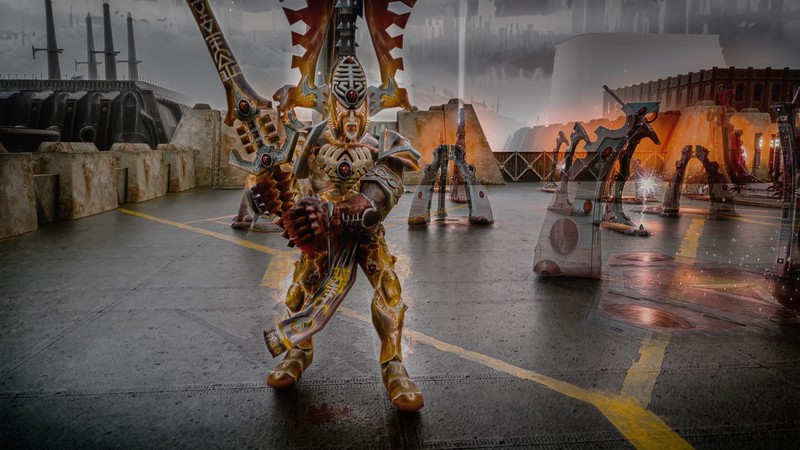
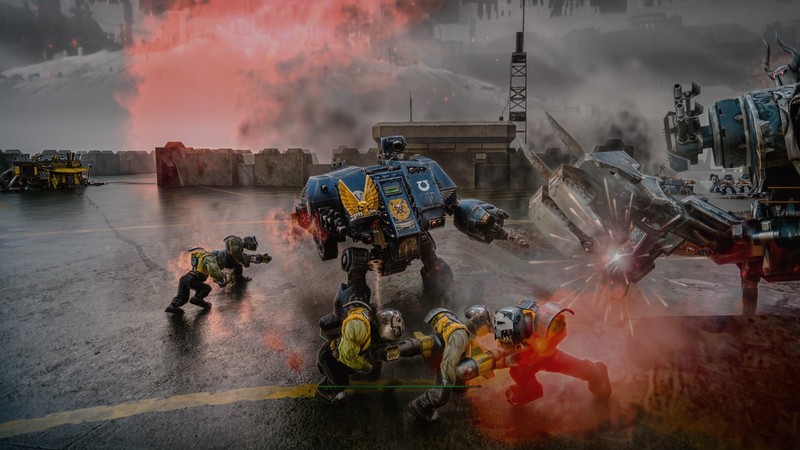
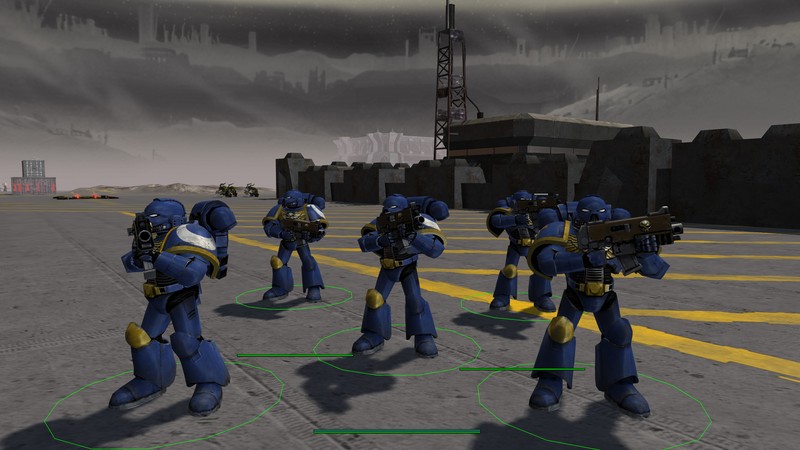
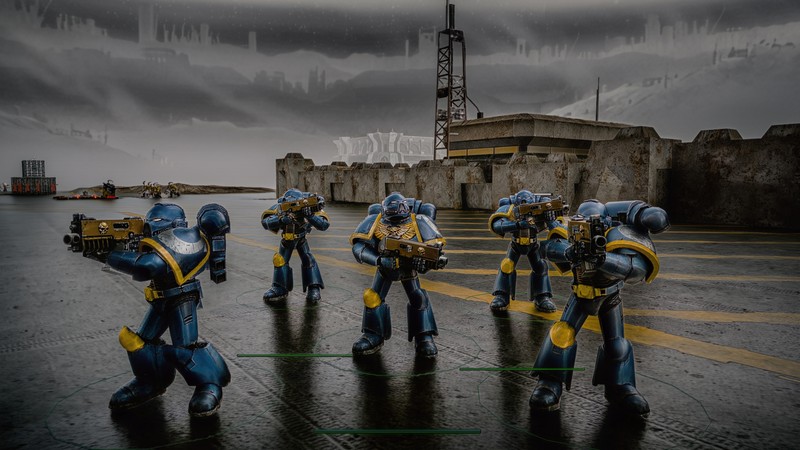
Part of the community considers such interference unacceptable. One commentator called the treatment a disappearance of artistic style and compared the result to academic painting, technically impressive and artistically empty. The objection was that technology from the present is simply applied to the graphics of the past, and there is little point in this.
Opposite position:
They say that this erases the artist’s intention, but I believe that it proves the opposite. DLSS enlivens the picture, adds the correct shading of shadows and tightens textures to a modern level, without changing the artist’s work itself.
Supporters add that the figures on the screen finally look like board game miniatures come to life. Comparisons were made with the first acquaintance with anti-aliasing in 1999 and with the launch of the Nintendo 64 emulator on a large TV. The most optimistic assessment is that technology makes it possible to re-release two decades of good games at once.
The main technical complaint about the result is not in color, but in stability. The flickering is visible even in static screenshots, and in motion the difference intensifies. The player himself admits that the degree of flickering greatly depends on the specific game and sometimes makes the result unplayable.
Requests to run other old games through DLSS 5 immediately poured in:
-
Half-Life 2
-
KOTOR
-
Tribes 2
-
Chivalry 2
-
Age of Empires, Rise of Nations and Company of Heroes
-
Halo Wars and Star Wars: Empire at War
There is no universal way to do this. For each game, the owner of the video card selected his own set of tools, and for Dawn of War 3 he promised to restore the order of actions from memory. Two-dimensional games, according to him, remain almost unchanged, while three-dimensional ones receive a serious increase in quality.


