


CD Projekt RED has published an official list of all improvements The Witcher 3: Wild Hunt Remastered. The developer divided the changes into four categories: visual, combat, quality of life improvements and others.

To run The Witcher 3 remaster on ultra settings without rays you will need an RTX 3070Ti, and with Path Tracing – an RTX 5080 and an upscaler
The remaster was released today, September 29.
In addition to the list of innovations, CD Projekt RED revealed the global launch time of the game for different regions and the size of the updates. This data will help you prepare for loading in advance.
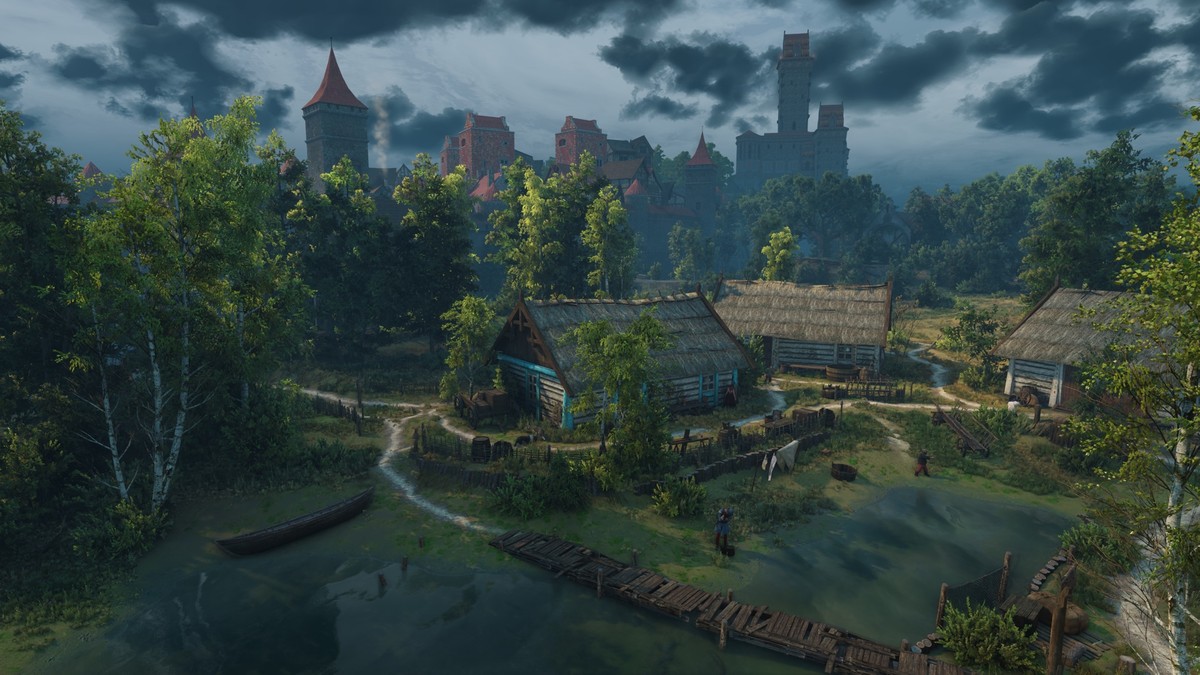
In an address to the press, the developer explained why this release is different from all previous updates to the title:
Since the first release of The Witcher 3, a lot has changed in the gaming world. We’ve continued to develop and improve the game over the years, with the latest major update bringing the title to next-gen consoles.
However, never before have we made so many large, far-reaching changes at once – Remastered was the first release of its kind for The Witcher 3.
These changes affect every aspect of the game, with a particular focus on exploration and combat mechanics. We’ve made significant improvements to a wide range of gameplay elements.
Some features, such as the skill tree, have been completely rebuilt to provide the best experience for both new and returning players. Whether you’re visiting the Continent for the first time or making a long-awaited return to the Path, The Witcher 3: Wild Hunt Remastered was created with you in mind.
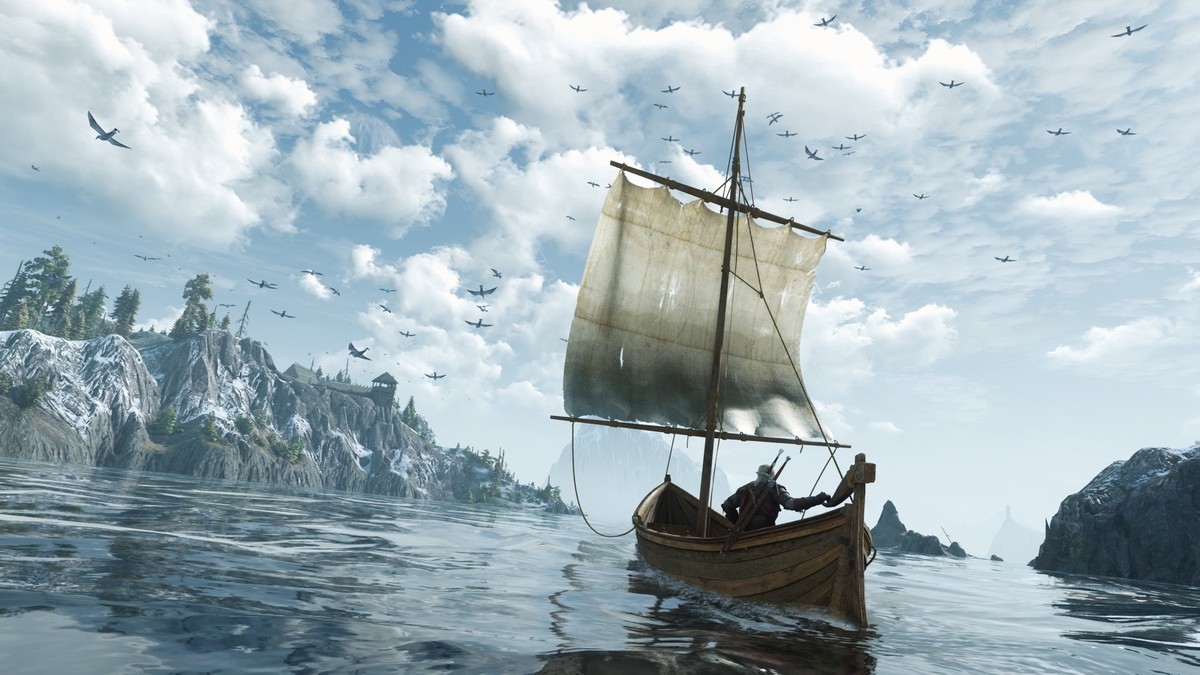
The graphic part has received the most noticeable overhaul. From the sun-drenched hills of Beauclair to the snow-capped mountains of Skellige, the Continent has never looked so detailed, according to the developer. In the remaster, the textures of the environment, NPCs and monsters have been improved, the vegetation has been seriously improved, and the lighting, rendering and ray tracing have been reworked.
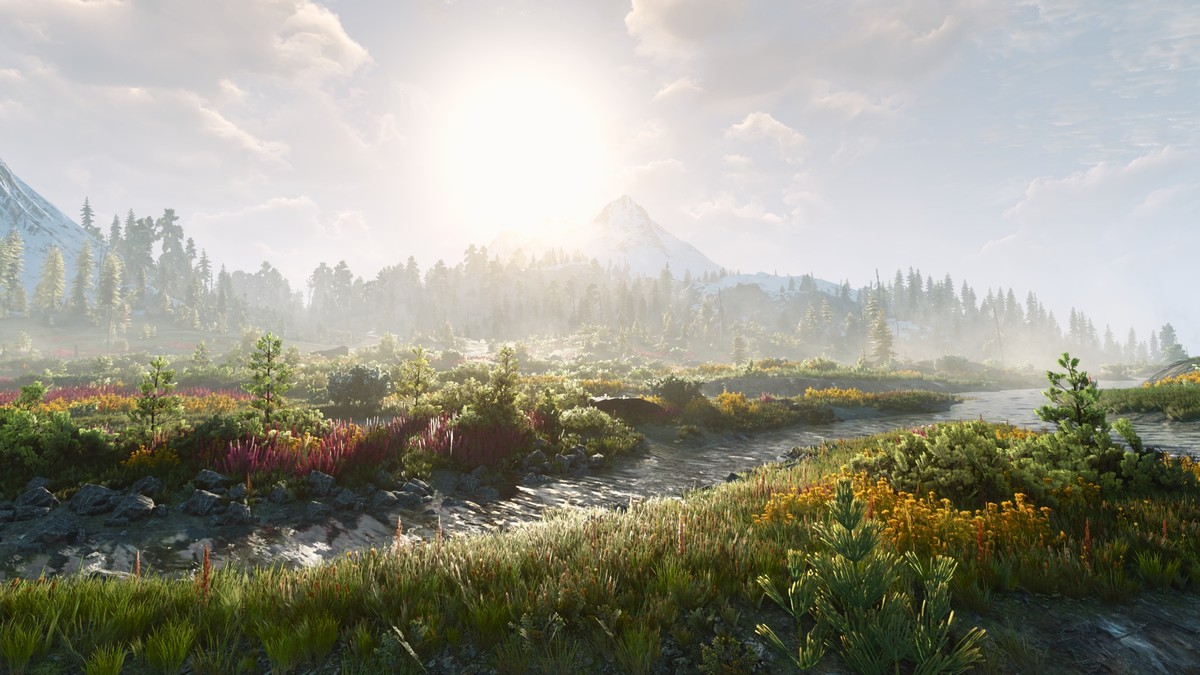
PC owners will receive exclusive path tracing support. Combined with the rest of the graphical improvements, CDPR says it creates the most visually impressive version of The Witcher 3 ever released. And on PS5 Pro, PlayStation Spectral Super Resolution (PSSR) upscaling technology provides a stable 60 frames per second with ray tracing enabled.
The combat system has also undergone a major overhaul. The developer calls the skill tree the heart of any RPG and notes that it has been rebuilt to radically improve the gaming experience.
Major changes in combat:
-
Reimagined skill system – an updated tree with new abilities and skills modernizes character development, gives more flexibility and has a stronger impact on the playstyle
-
Improved combat – redesigned animations, new brutal finishing moves and an adaptive camera make battles more dynamic, smoother and more energetic
-
Updated Signs – all five Witcher Signs (Aard, Igni, Yrden, Quen and Axii) received new visual effects
-
Enemy behavior – ordinary skirmishes with wolves and drowners have become more reactive and feel more alive thanks to the updated AI of enemies
The second large group of changes concerns movement, exploration and convenience. CD Projekt promises that reworked animations and new mechanics will make each adventure even more exciting.
This category included:
-
New animations – Geralt and Roach received new motion animations, making movement around the world smoother and more realistic
-
Reworked Witcher Senses – the mechanics have not only become visually cleaner, but also require more involvement, because new clues are revealed only by focusing on the right elements
-
Updated interface – the new main menu speeds up access to key functions, and notifications about tasks and training tips have become more concise and clearer
-
Transmogrification – weapons and armor can be given a new look without losing characteristics, which expands the possibilities of character customization
Separately, the developer highlighted innovations that do not relate to a specific aspect of the game, but significantly affect the overall experience. The photo mode has become much richer and received new poses, camera controls, frames, filters, models and other options. In addition, the game integrates the Mod.io platform with cross-platform support for mods that can add new tasks, weapons, equipment and balance changes.
Another innovation concerns accessibility. Bard’s Ballad mode is designed for players with cognitive limitations, such as attention deficit disorder or cognitive fatigue. It adjusts individual gameplay elements to the user’s needs, in particular adding automatic self-healing.

11 New Improvements to The Witcher 3 Remastered, From Geralt’s Hair Tracing to Joy-Con Gestures
The version for Nintendo Switch 2 received its own set of functions. Motion controls allow you to cast Witcher Signs, shoot a crossbow, throw bombs, drink elixirs, and speed up or stop the Roach.
Gyroscopic aiming, according to CD Projekt, “provides greater precision in combat,” mouse mode provides an alternative control option, and the touchscreen can be used to navigate the map and menus, as well as for games of gwent.


